
Colombia 2026–2030: The “Patria Milagro” and Abelardo de la Espriella’s New Power Map
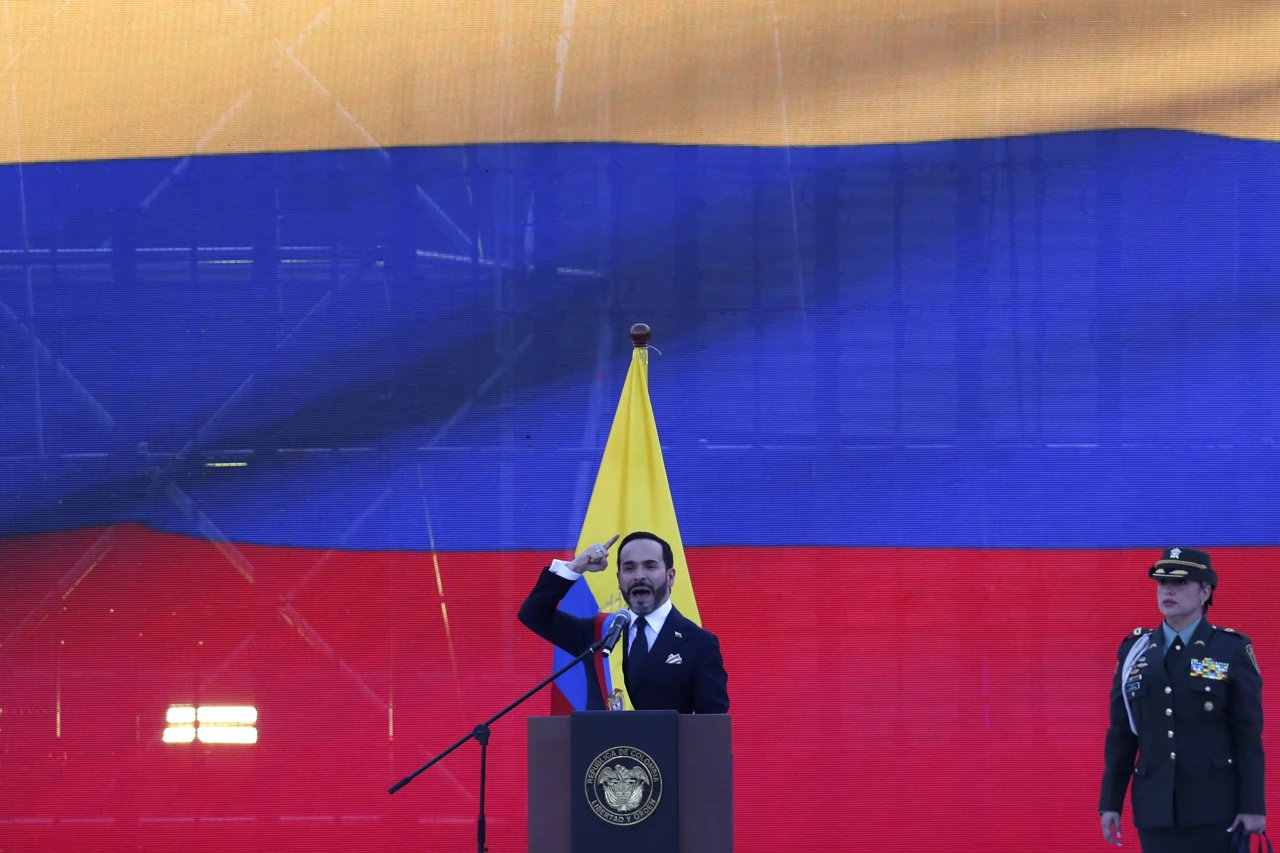
On August 7, Colombia marked a new political chapter with the inauguration of Abelardo de la Espriella as president for the 2026–2030 term. From Cali, the new president proclaimed the beginning of the “Patria Milagro”, a project aimed at transforming the country’s course by restoring democratic security, respecting judicial independence, and promoting economic freedom.
A political cabinet for an outsider president
Despite coming to power without prior experience in public administration and with a discourse critical of traditional political structures, De la Espriella opted for a high-profile political cabinet as a strategy to strengthen governability. The new ministerial team includes figures from traditional parties such as the Liberal Party, Cambio Radical, and the Democratic Center.
Among the main appointments are Miguel Gómez Martínez as Minister of Finance, where he will be responsible for leading the fiscal adjustment; Mauricio Gómez Amín (Liberal Party) as Minister of Trade, who resigned his seat in Congress to join the new administration; and Rodrigo Lara (Cambio Radical) as Minister of the Interior, a key position for relations between the Executive and Congress. The cabinet also includes figures such as Natalia López (Creemos) as Minister of Labor and Elsa Noguera as Minister of Transport, both with experience in territorial government.
The inauguration speech reaffirmed that security will be one of the government’s main priorities, including the return of aerial spraying of illicit crops and the construction of mega-prisons. On the economic front, the administration plans to move forward with a freeze on public spending and a reform aimed at eliminating the wealth tax, with the goal of promoting investment and strengthening domestic production.
The challenge of governability
The Executive’s ability to advance its agenda will depend largely on its relationship with Congress, where the governing party, Defensores de la Patria, holds a minority. Although the administration managed to build a provisional coalition with sectors of the Democratic Center and the Conservative Party, the distribution of committee seats and the construction of legislative majorities will be key to securing approval of its main initiatives, in a scenario in which the Historic Pact is consolidating its position as the main opposition force.